
Services
App Store and Google Play Approval Service
The app is built and runs on your phone. Getting it through Apple's review and Google's closed-testing gate is the part that stalls. We have put more than a hundred apps through it, and we do it for a fixed price.
Founders and small teams who have built an app, with or without AI tools, and need it live on the App Store and Google Play without learning two review systems first
- Google Play launch$149
- App Store approval$249
- Rejected? We fix it$149
- AppleApp Store
- GooglePlay Store
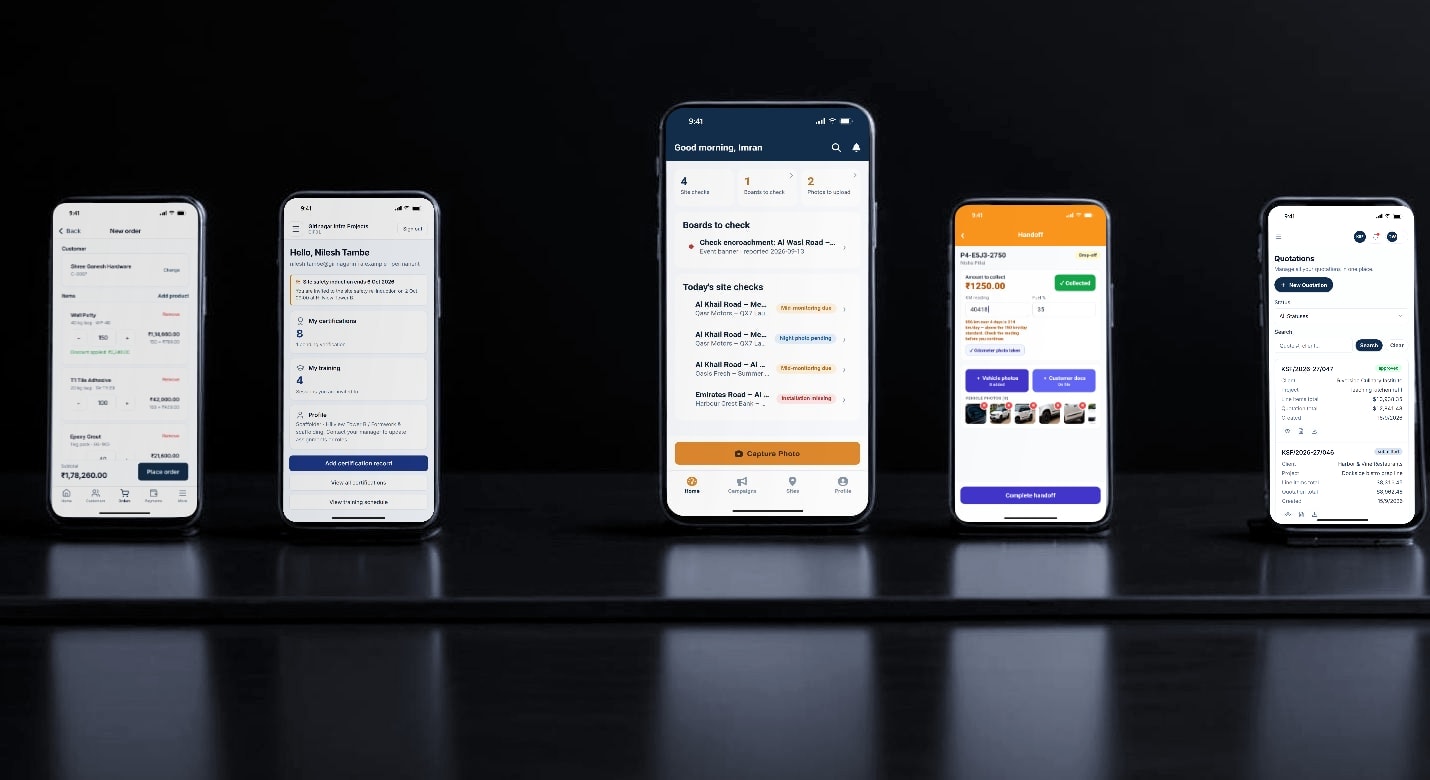
The build runs on your phone. You submitted it a week ago. The App Store review came back with a paragraph quoting a guideline number, or Google Play came back with nothing at all because your account is new and production is locked behind a closed test you did not know you needed. Meanwhile the thing you built is on nobody’s phone but yours.
That is the position a lot of people are in now. Sensor Tower’s data showed 84 per cent more new apps published to the App Store in the first quarter of 2026 than a year earlier, with AI coding tools driving the rise. The stores did not get easier. They got busier, and the same rules now catch far more first submissions.
A rejection costs you a week each time, and the second one costs more than the first. Every resubmission goes to the back of the queue. On Google Play a new personal account cannot publish at all until a closed test has run with at least 12 testers opted in for 14 consecutive days. The days have to be continuous, so a tester who leaves part-way can cost you the ones already run. People are paying for testers just to get past that one gate, and nobody is selling the whole job.
What we do
We take the app you have and get it live on both stores, for a fixed price, with you never on a call unless you want one. The work is in four parts, and the order matters.
The audit comes first, before anything is submitted. We install the build and go through it the way a reviewer does: does every screen have real content, does sign-in work with the credentials a reviewer will be given, can a user delete the account the app created, does the privacy policy describe this app and not an earlier version of it, is every permission and background service justified by something the user can see. Each finding is written against the rule it would fail, so you know what is being changed and why.
Then the paperwork, written from the code. The store listing at the real character limits, the Google Play data safety form derived from what the app actually declares and sends, the privacy policy and the account-deletion page. These are the items that fail most often, and they fail because they were written about the app someone meant to build.
Then the Google Play closed test, run properly: a tester list of real people, the opt-in link, the build on the closed track, the 14 days watched so that a drop-out is replaced before it resets the count, and the production-access request filed the day the rule is met.
Then the submissions themselves, and the rejections. When a store says no, we read the notice, change the build or the declaration, and resubmit. We keep doing that until it is approved.
Who has done this before
The founder of Sazinga has personally published more than a hundred apps to the App Store and Google Play over eighteen years, from the days when review meant a phone call to the current guidelines. The rejections that recur are few, and none of them is about whether the app works.
A background service the declaration does not justify. Google now asks why an app runs work in the background and wants to see the feature that needs it, so the fix is partly in the code — the right service type, a way for the user to stop it — and partly evidence, a short recording of that feature filed with the declaration.
A reviewer who cannot get past sign-in. If the app needs an account and the submission does not include working test credentials, it is refused without anyone seeing a screen.
A privacy policy that describes a different app. Policies are written once and the app moves on; a policy promising features that were removed is a store problem before it is anything else.
Version numbers the store has already reserved. A build that was uploaded and discarded still holds its number, and the next upload is refused until it moves past it.
Three fixed prices
| Service | What it covers | Price |
|---|---|---|
| Google Play launch | Store listing, data safety form, privacy policy and deletion page, the closed test run to the 12-tester rule, the production-access request, and the release. You bring the 12 testers; we set up the test, watch the count every day and tell you the moment a drop-out needs replacing | $149 |
| App Store approval | The guideline audit before submission, the listing and privacy pages, the submission, and every rejection fixed until it is approved | $249 |
| Rejected? We fix it | You already submitted and were refused. We read the notice, fix the cause in the build or the declaration, and resubmit until it is approved, on either store | $149 |
Prices are in US dollars, paid once, before the work starts. Both stores together is the two launch prices added. “Rejected? We fix it” covers one rejected app on one store; an app refused by both is two. The stores’ own fees are not in these prices and are paid by you, to them: Apple’s developer programme is $99 a year and a Google Play developer account is a one-off $25. If the audit finds something the store will not accept at any price, you are told before you pay for a submission.
What this does not do
It does not write or finish the app. It gets a working app through review; a build that crashes on launch or has screens that go nowhere is a development job, and we will say so and quote it separately if you want it.
It does not supply testers. Google’s checks are designed to catch artificial testing, and an account caught doing it loses more than fourteen days. We run a real closed test with people who will use the build, and we tell company founders when an organisation account, which is exempt from the tester rule, is the faster route.
It does not enrol you in the developer programmes. The Apple Developer Program and the Play Console account are yours, in your name, and Apple’s identity check is one only you can pass. We tell you what to have ready.
It does not promise a date. Apple’s review time is Apple’s. What we control is that the submission going in has nothing on it a reviewer can refuse, and that a refusal is answered the same day.
If you have a rejection notice, start there
Paste it into the form below. We reply with the guideline it fails, what has to change, and which of the three prices it falls under. That reply is free, and most people learn from it whether they need us at all.
How it runs
What the engagement includes
- 01 A guideline audit of the build before it is submitted — completeness, minimum functionality, sign-in and account deletion, privacy disclosures, background services and permissions — with each finding tied to the rule it would fail
- 02 The store listing, the Google Play data safety form, the privacy policy and the account-deletion page, written from what the app actually does and checked against the code rather than the pitch
- 03 For Google Play, a closed test run to the current rule — at least 12 testers opted in for 14 consecutive days — with real testers, and the production-access request filed the day it is met
- 04 Each rejection read, fixed in the build or in the declaration, resubmitted, and followed until the app is approved, at the fixed price
Who we build for



























Stuck at the store? Send what it said.
Paste the rejection email, or say where the submission is stuck, and which store. We reply with the guideline it fails, what has to change, and which of the three fixed prices it falls under. The reply costs nothing; you decide after reading it.
Thank you — that has reached us
Your enquiry is with the team. We read every one ourselves and normally reply within one working day.
If it is quicker to talk, reach us directly:
While you wait — the platform overview covers what each application does, and Insights is our writing on building this kind of software.
App Store and Play Store Approval — frequently asked questions
How long does approval take?
Apple's own figure is that nine in ten submissions are processed within 48 hours, and a clean first submission usually lands inside that. A rejection adds a round trip, which is why the audit comes before the submission rather than after the first refusal. Google Play is the slower store for a new personal account, because production is locked until a closed test has run for 14 consecutive days with at least 12 testers opted in, so the earliest a new personal account can go live is about three weeks from the day the test starts.
Can you supply the 12 testers?
No, and you should be wary of anyone who says yes. Google's checks are built to catch testers who never open the app, and an account caught doing it loses more than the 14 days. We run a real closed test with people who will use the build — your customers, colleagues or beta list — and we watch the count so that a drop-out is replaced before it breaks the run. If you are a company rather than an individual, an organisation account is not subject to the tester rule at all, and we will say so if that is the faster route for you.
What happens if it is rejected again after you have fixed it?
We keep going at the same fixed price until it is approved. The one exception is a reason the store will not accept at any price — an app whose main purpose is something the guidelines forbid, or that needs a licence or entitlement the store has to grant you. The audit at the start is where we say so, before you have paid for a submission that cannot succeed.
Do I need my own developer accounts?
Yes. The Apple Developer Program and the Google Play Console account are yours, in your name or your company's, and the listing stays yours. We work inside them as a team member with the access the job needs and nothing more, and you remove that access when the app is live. Apple's enrolment includes identity verification that only you can complete; we tell you what to have ready so it does not hold up the rest.
My app was built with an AI tool. Is that a problem?
Not in itself, and most of the apps we see now were. In more than a hundred submissions the founder has made himself, what fails review is rarely the code. It is a privacy policy that was never written, placeholder text left on a screen, a sign-in that the reviewer cannot get past because nobody gave them a test account, no way to delete the account the app creates, or a background service the declaration does not justify. Every one of those is a fixable omission, and they are what the audit looks for first.
Apple and App Store are trademarks of Apple Inc. Google Play is a trademark of Google LLC. Sazinga is not affiliated with either.